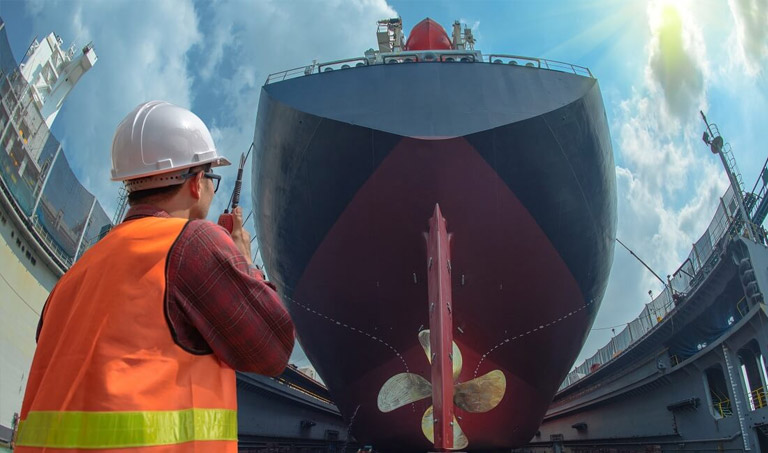
The marine industry has experienced rapid growth and expansion over the years, becoming one of the most significant sectors in global economics, with millions of dollars exchanged daily through operations. Therefore, it’s essential that marine operations are conducted safely and efficiently; one way to guarantee this is through conducting thorough marine inspection services. These inspections guarantee vessels, equipment, and personnel meet the required standards and regulations.
Importance of Accurate Marine Inspection:
Ensuring Safety: Safety for personnel and equipment is of the utmost importance in the marine industry. Regular marine inspections help guarantee that vessels, equipment, and personnel meet required safety standards. They can identify potential safety hazards or deficiencies so corrective action can be taken before accidents happen.
Compliance with Regulations: The marine industry is subject to numerous regulations and standards. Conducting proper marine inspections helps guarantee that vessels, equipment, and personnel meet these requirements for both safety and legal/financial reasons. Compliance is essential not only for safety reasons but also for legal/financial ones as well.
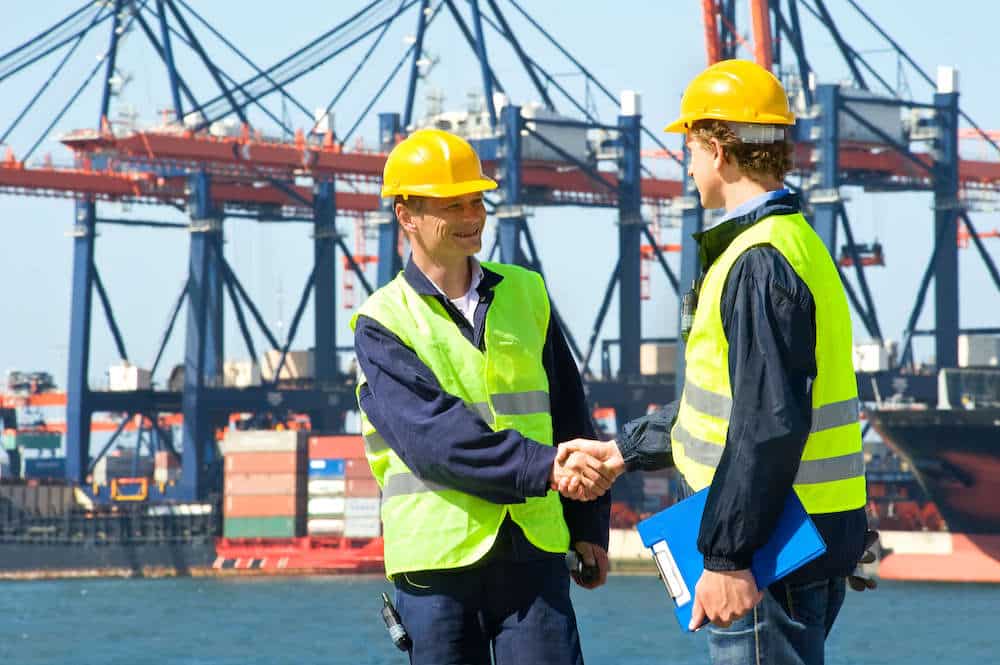
Avoid Delays and Downtime: Marine inspections are frequently necessary before vessels can enter ports or conduct operations. A thorough marine inspection helps guarantee that vessels and equipment are in excellent working order, helping reduce delays and downtime from occurring.
Protecting the Environment: The marine industry can have a major effect on the environment. Regular marine inspections help guarantee vessels and equipment are operated with environmental responsibility, identifying potential hazards and deficiencies so corrective action can be taken before damage occurs.
Maintaining House Design: Regular marine inspections are vital for keeping vessels and equipment in top condition. They can detect potential issues early on, allowing corrective action to be taken before they worsen. Proper upkeep and maintenance of vessels and equipment are key for their longevity and efficient operation.
Subheadings:
Types of Marine Inspections
Importance of Inspecting Vessels
Utilization of Inspection Equipment
Need for Inspecting Personnel
Challenges Ahead in Marine Inspections
Prospects for the Future
Types of Marine Inspections:
Marine inspections encompass pre-purchase checks, flag state inspections, port state inspections, and class checks. Each type has its own distinct focus and requirements. Pre-purchase inspections are conducted prior to purchasing a vessel and aim to identify potential issues and deficiencies. Flag state inspections conducted by the country in which the vessel is registered verify compliance with national regulations. Port state inspections are conducted by the authorities of the port where a vessel is calling and aim to ensure compliance with international regulations. Class inspections, on the other hand, are carried out by a classification society and aim to guarantee adherence to classification rules and regulations.
Importance of Inspecting Vessels:
Vessels form the backbone of the marine industry, and proper maintenance and upkeep are paramount to ensuring safe and efficient operations. Inspecting vessels can help identify potential safety hazards, environmental hazards, and deficiencies in maintenance/upkeep. Proper upkeep also plays a significant role in prolonging vessel longevity and optimizing efficiency.
Importance of Inspecting Equipment:
Marine equipment is essential for the safe and efficient running of vessels. Through inspection, potential safety hazards, deficiencies in maintenance/upkeep, as well as environmental hazards can be identified. Proper care and upkeep of equipment ensure their longevity and optimal performance.
Importance of Inspecting Personnel:
Personnel is an essential element in the marine industry. Inspection personnel helps guarantee they have received adequate training, certification, and equipment to do their jobs correctly. A properly trained and equipped crew ensures secure operations on vessels and equipment while increasing efficiency overall.