
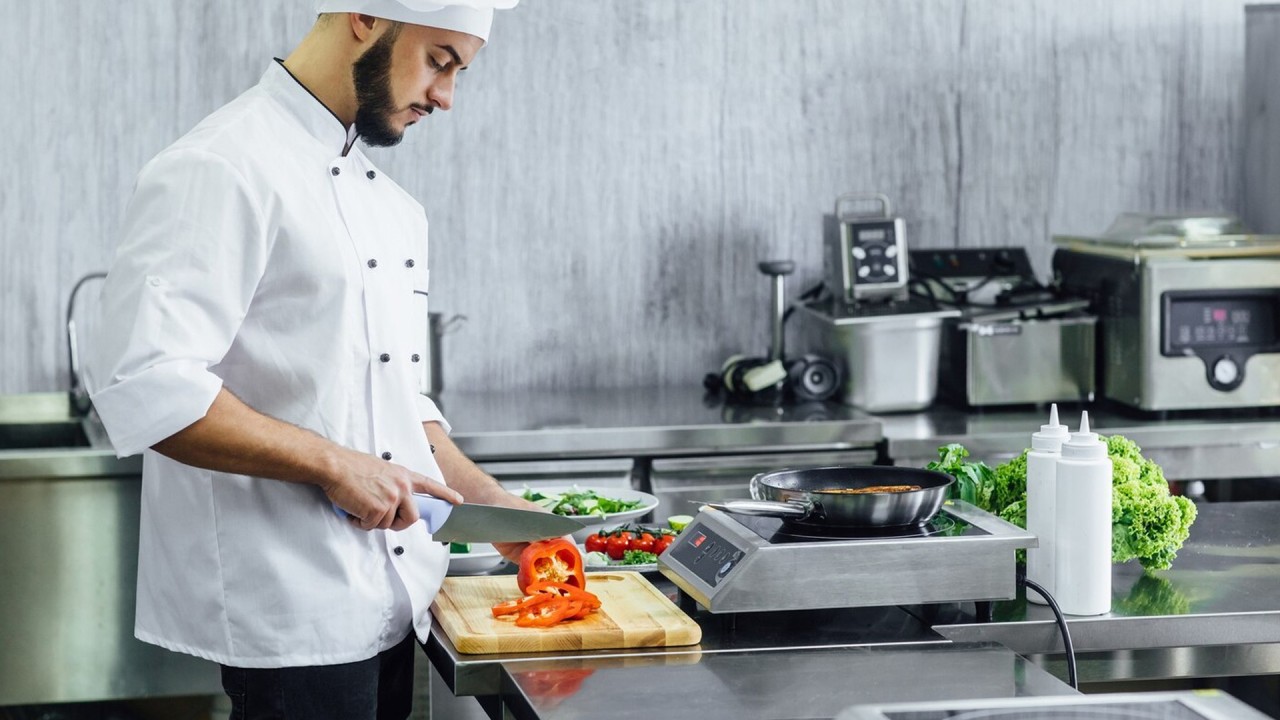
Because of their cheap overhead expenses and growing demand for food delivery services, cloud kitchens—also known as delivery-only restaurants—have grown to be a popular business model. Maximizing profitability still presents a difficult task, nevertheless, given changing ingredient prices and increasing competition. By means of efficient pricing policies, a cloud kitchen can greatly affect its bottom line, so enabling its attraction of clients, cost control, and profit enhancement. A smart kitchen connects devices and apps, allowing users to control appliances remotely for a seamless cooking experience. These are some basic pricing techniques meant to enable cloud kitchens optimize their profitability.
Analyze Your Margins and Costs
Any effective pricing plan depends on your knowing of your margins and expenses. Cloud kitchens have to consider several expenses including ingredient pricing, packaging, kitchen rent, staff wages, and delivery platform fees. Calculate the cost of every menu item—including hidden expenses like trash, discounts, and promotional offers—to determine reasonable pricing. Once you understand your overall dish cost, create a target profit margin suited for your financial situation. Although this varies based on the cuisine, market demand, and competition, a normal margin for cloud kitchens runs between 20 and 40%.
Dynamic Pricing Driven by Demand
One successful tactic is dynamic pricing—that is, changing rates depending on demand in real time. To optimize income, cloud kitchens can raise pricing during high demand—such as weekends or supper hours—by examining order patterns and peak times. On the other hand, giving discounts during off-peak could draw more business when things are slow. Dynamic pricing uses market fluctuations to let cloud kitchens maximize price in response to user behavior, therefore increasing general profitability.
Bundle & Combo Offers
One common pricing tactic that can boost average order value and drive more sales volume is grouping products together as a combination. Cloud kitchens can inspire consumers to spend more without drastically cutting prices by developing meal bundles comprising a main dish, side, and drink at a somewhat discounted pricing. Combo gives consumers perceived value and makes them feel as though they are receiving a bargain, thereby enabling the kitchen to sell more goods in one transaction. Along with increasing sales, this approach helps to simplify the ordering process and cut preparation time.
Utilize value-based pricing.
worth-based pricing emphasizes, more on the perceived worth of the dish to the client than on the cost of components. For instance, dishes with better possibilities for health, unusual tastes, or premium ingredients can demand more money if consumers view them as more worth. Emphasizing in descriptions and visuals the excellence, originality, or health advantages of your menu items will help to support a higher price point. Cloud kitchens may increase their revenue without offending their audience by matching price with what consumers are ready to pay.
In a cloud kitchen, maximizing profitability calls for a calculated pricing strategy that strikes a mix of cost control, market demand, and consumer impressions. The smart kitchen offer personalized cooking suggestions, automatic recipe adjustments, and interactive screens for an immersive culinary experience.